
By Georgia Sulsberger
The word “no” is very short and simple, but is, for some reason, considered one of the worst things one can hear. It is associated with rejection, which always gets a negative connotation, though I personally believe it shouldn’t. Rejection is the path to better things. We don’t always get exactly what we want in life, but we typically end up getting what we need, even though we don’t always know we need it.

This is a philosophy I had to learn to adapt during the One Act class this year. We chose to adapt a medieval play called Everyman. Everyman is the story of humanity learning the true legacy and meaning of life: the good deeds and love they showed others. For those of you who have never adapted a play, it is a lot of work. We wanted to keep the general storyline, but modernize it into completely different words, while still making sense in current times. We had a general template, but it was up to us to figure out the story we really wanted to tell. However, I don’t think the hardest part was the actual writing of the play. It was learning how to compromise. Imagine you are in a disagreement with your sibling about which television show to turn on. Now, imagine that, but with around twenty highly opinionated people. When you are working to create something you want to be really proud of, especially with a competition aspect of One Act, it can be quite difficult to be alright with not getting your way. If you don’t know how to hear the word “no,” you will never be truly satisfied with the end product.
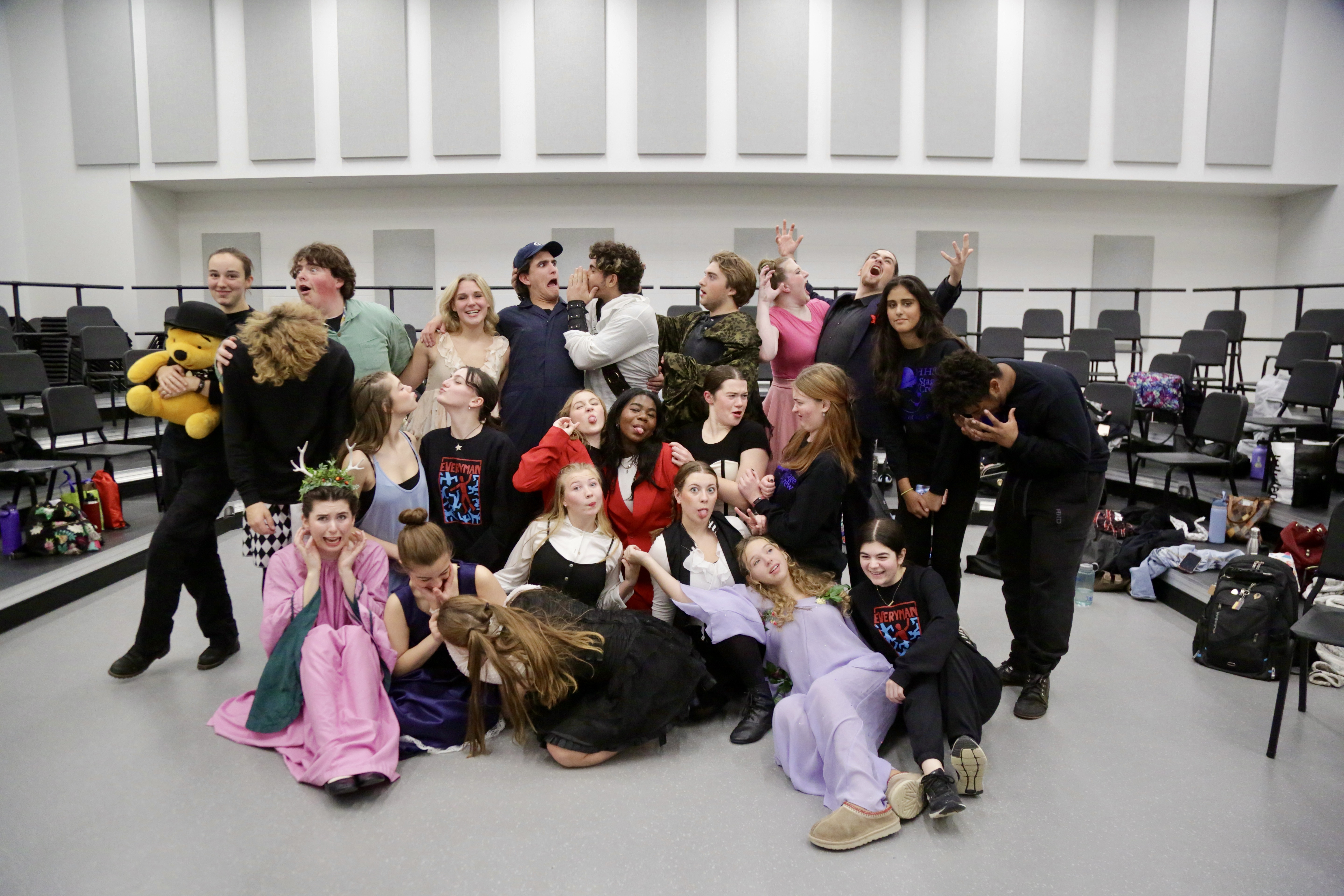
The way we structured One Act was that we had a few people spending time just writing scenes, other people brainstorming ideas and blocking, and some people working on dance and aerial aspects. We sometimes switched around roles, but people kind of fell into places where they were really good at. For me, this was dance and aerial. Everyone would split off into groups for most of the class period, then come together and share some of their scenes at the end of the day. Collectively, the class would discuss and decide what they liked or didn’t like, and then we built the show off of those decisions. If I’m being completely honest, we probably keep around one-fifth or less of what was shown. This period was heavy in rejection, which definitely led to tensions being higher. This was what led Figg to teach us about what the word “no” actually means.
“No” means being willing to give something up if it is better for the class. It means accepting that people have different opinions, and that doesn’t necessarily mean they are bad; they just might not always be the best fit for the situation. At the end of the day, theatre is about creating something that leaves the audience feeling something. Choices need to be made to achieve that goal, which means sometimes the thing you want is not what is chosen. Theatre is collaborative, so you have to work together to create the best version possible. This is not only a skill in theatre, but also in life. The better you are at hearing “no,” the better you will be overall.
 Act Out